In regulated SaaS, customer success isn’t just about helping clients get value from the product. It’s about keeping them safe and satisfied. When a misstep can trigger a regulatory penalty, your success team becomes their first line of defense, not just a support function.
That’s the lens we’ll use here. We’ll look at how CS shifts in three regulated industries: healthcare, fintech, and legal tech. We’ll explore their unique challenges and practical solutions, and how technology helps CS teams manage risk while building customer trust.
Understanding Regulated Industries: Healthcare, Fintech, and Legal Tech
These sectors share a common theme: sensitive data, heavy oversight, and little room for error. However, each industry has its own compliance requirements:
- Healthcare handles protected health information (PHI) under frameworks like HIPAA in the U.S. HHS’s guidance outlines rules for privacy and security. For global organizations, GDPR can add further requirements.
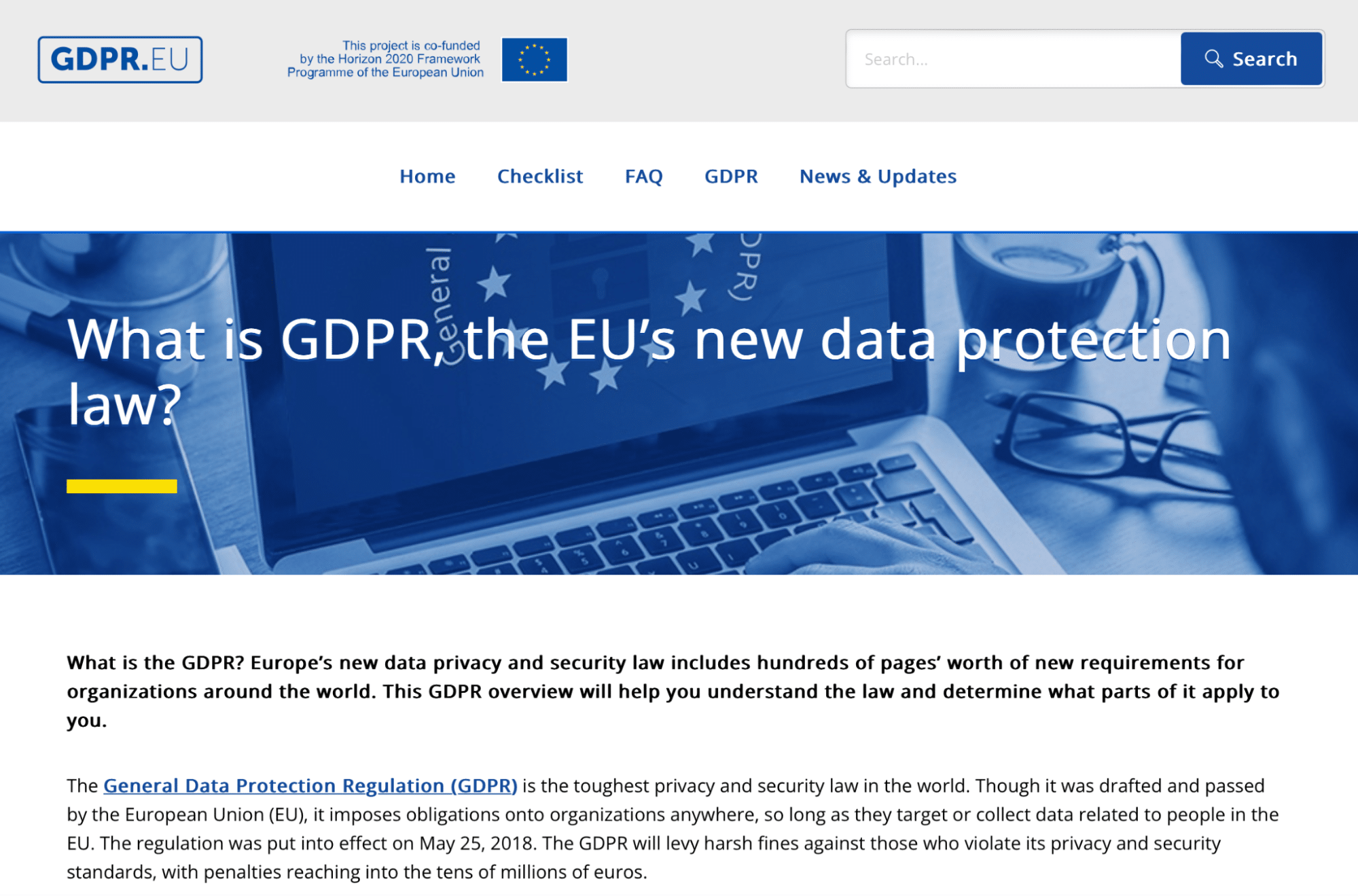
- Fintech operates under financial safeguards, such as PCI DSS for payment card data, FinCEN’s anti-money laundering (AML) requirements and know-your-customer (KYC) processes, and Europe’s PSD2 requirements for strong customer authentication.

- Legal tech supports attorneys who carry professional duties around confidentiality and competence. In the U.S., the ABA Model Rules of Professional Conduct guide these duties. Data handling may also involve GDPR and complex e-discovery requirements.

Across all three, the challenge is consistent: help customers meet their compliance obligations without slowing them down. That means clear configurations and auditable processes that support the product’s security controls.
How customer success shifts in regulated SaaS
Operating in a heavily regulated market fundamentally changes how CS teams operate. While traditional SaaS often emphasizes rapid adoption and experimentation, regulated SaaS requires more oversight and coordination.
| Normal SaaS CS | Regulated SaaS CS |
| adoption | compliant adoption |
| one champion | procurement + security + legal + users |
| feature enablement | approved workflow enablement |
| fast onboarding | controlled implementation |
| product usage | product usage + auditability |
| informal QBR | documented governance |
| experimentation | restricted change management |
This matrix highlights three fundamental operational shifts:
- Compliant adoption over high usage: High platform usage means nothing if users bypass compliance guardrails.
- Multi-stakeholder alignment: Rather than relying on one internal champion, CS must constantly engage security, legal, procurement, and end-users.
- Controlled implementation and governance: Fast onboarding and casual QBRs give way to structured rollouts, documented governance, and strict change control.
Key Changes in Regulated SaaS Industries To Adapt To
1. Unique customer success considerations in healthcare SaaS
In healthcare, privacy isn’t negotiable. Customer success teams need a working grasp of HIPAA concepts like minimum necessary access, business associate agreements, audit logs, and breach response.
Bryan Henry, President of PeterMD, sees transparency around data handling as essential. He believes it’s the foundation of lasting provider relationships in the telehealth and wellness space.
Henry says,
“In remote care and men’s health, patients share incredibly sensitive personal information online. This means providers must be 100% confident in the platform’s security before they will ever treat a patient through it. We spend as much time explaining how we protect patient data as we do teaching the software itself.”
He adds,
“When a clinician understands exactly how their telehealth data and asynchronous consults stay HIPAA-compliant, they stop seeing us as a vendor and start seeing us as a partner in patient care.”
Strong healthcare CS practices often include:
- Role-based onboarding that maps to clinical workflows and access controls.
- Configuration reviews that align product settings with a provider’s policies.
- Change alerts that matter for anything touching privacy or consent flows
- Scenario-based training for real-world events like a misdirected fax or off-hours access helps teams feel prepared
Example: Deploying CGM telehealth workflows
To streamline continuous glucose monitor (CGM) tracking for remote care, Glooko partnered with Aeras Medical to integrate Dexcom telemetry into clinical systems.

The CS team executed a targeted rollout:
- Role-based setup – mapped telemetry data to clinician accounts and established HIPAA-compliant access levels
- Alert triage – configured automated rules to flag severe drops (<54 mg/dL<54 mg/dL) for urgent nurse callbacks while filtering out transient alerts
- Workflow simulation – tested simulated patient alerts and audit logs with triage staff before going live.
- Outcome: Eliminated alert fatigue and ensured 100% HIPAA compliance across remote monitoring operations
2. Tailoring customer success for fintech SaaS
Fintech adds the pressure of financial risk and real money movement. CS leaders need to know the basics of PCI DSS scope, tokenization, encryption, and data retention. They should also track KYC/AML obligations, suspicious activity reporting workflows, and PSD2-style authentication requirements.
Take it from Gregor Emmian, Deputy Chief Digital Growth Officer at Rise. In high-stakes digital trading and wealth management platforms, he believes that customer confidence relies entirely on transparent risk handling and seamless digital growth tools.
Emmian explains,
“In digital finance and trading, users are entrusting you with their capital and market execution, so silence is your enemy. We over-communicate on security protocols, regulatory shifts, and how we safeguard trading data and fund flows.”
He continues,
“ When traders and institutional clients see that transparency is baked into every interaction, they extend you the kind of trust that keeps them for years.”
What does good look like?
- Security briefings during onboarding that explain PCI DSS responsibilities and shared controls
- Clear documentation on how you support AML/KYC processes and links to FinCEN guidance
- Incident communication drills and templates, covering who gets notified, what you share, and how often
- Regular updates on authentication changes and PSD2 implications with links to EU guidance
- Sharing summaries of SOC 2 or ISO 27001 certifications when appropriate
Example: Onboarding a fintech SaaS customer
If a fintech company adopts a platform to support its customer verification and AML/KYC workflows, the CSM must begin by identifying the customer’s onboarding requirements and clarifying which responsibilities belong to the fintech company and which are supported by the software.
Next, the CS manager walks the customer through the documentation process using test records and checks that required information and review steps are understood. They document outstanding issues and explain how the customer can report problems or request support.
Before launch, both teams review the workflow and confirm that the customer understands its own verification and escalation responsibilities. This structured approach helps the fintech company prepare for adoption without assuming that the software alone fulfills its regulatory obligations.
3. Innovative customer success strategies in legal tech SaaS
Legal professionals live by precision and privilege. Your software must be accurate, traceable, and predictable. Data retention settings, redaction tools, version control, and chain-of-custody features can’t be afterthoughts. Many buyers will also ask how your practices align with GDPR and similar privacy laws.
Chuck Schaeffer, Co-Founder and CEO of AVTEC, brings an AI perspective to customer success in legal technology. He emphasizes that legal professionals need reliable, easy-to-use software that supports accuracy and protects sensitive client information.
Schaeffer explains,
“Legal professionals demand accuracy above all else. A single software error can erode their confidence. Customer success teams must help clients use technology reliably and efficiently. Every hour we save on the learning curve is an hour they can spend serving clients instead of struggling with technology.”
Legal-tech CS teams can reduce friction by:
- Offering practice-area playbooks (litigation, corporate, IP) with the right defaults
- Building “first-week” checklists that reduce setup time and errors
- Explaining confidentiality safeguards in the context of the ABA competence duty
- Giving admins visibility into audit logs and data residency choices
- Running sandbox sessions to practice privileged workflows safely
Example: Rolling out e-discovery software
When a law firm adopts an e-discovery platform for litigation, the CS manager starts by identifying the firm’s key workflows. These include document collection, review, redaction, and export. They then help administrators configure access permissions and retention settings in line with the firm’s policies.
Before the firm works with live case data, the CS manager organizes a sandbox session where users practice reviewing documents and tracking changes. The team also checks that users understand the audit trail and knows whom to contact if an issue arises.
Ultimately, this structured rollout helps the firm learn the platform while reducing the risk of workflow and handling errors.
Common Challenges and Solutions in Regulated SaaS Customer Success
Customer success teams across regulated industries face several recurring challenges. As a customer success leader, be wary of the following:
- Data privacy concerns: Explain data encryption, access controls, and incident response procedures, among others. Where relevant, show how product controls map to frameworks, such as ISO 27001 and SOC 2.
- Changing regulations: Include relevant updates in release notes and customer reviews. Maintain a compliance FAQ with input from Legal, and account for regional differences, such as GDPR and CCPA/CPRA.
- Customer education at scale: Use role-based training, in-app guidance, policy-aware walkthroughs, and other educational resources. Run scenario exercises and review lessons learned with customers.
- Shared responsibility: Provide responsibility matrices that clarify each party’s security and compliance tasks. Back this up with relevant documentation templates, such as DPAs, BAAs, and vendor assessments.
- Fragmented internal knowledge: Create shared runbooks for high-risk workflows and align product, security, legal, and CS teams around a single source of truth.
Regulatory change makes ongoing training essential. Rather than relying on annual compliance sessions, organizations should keep CS teams informed as requirements, product features, and customer workflows change.
When customer success managers understand the relevant rules and know when to involve legal or security specialists, they can help customers address risks earlier and build stronger relationships.
The Role of Technology in Enhancing CS in Regulated Industries
Technology should help CS teams identify risks early, reduce manual work, focus on customer needs, and improve business operations. Useful tools include:
- Automated alerts for unusual access patterns.
- Compliance checklists during onboarding.
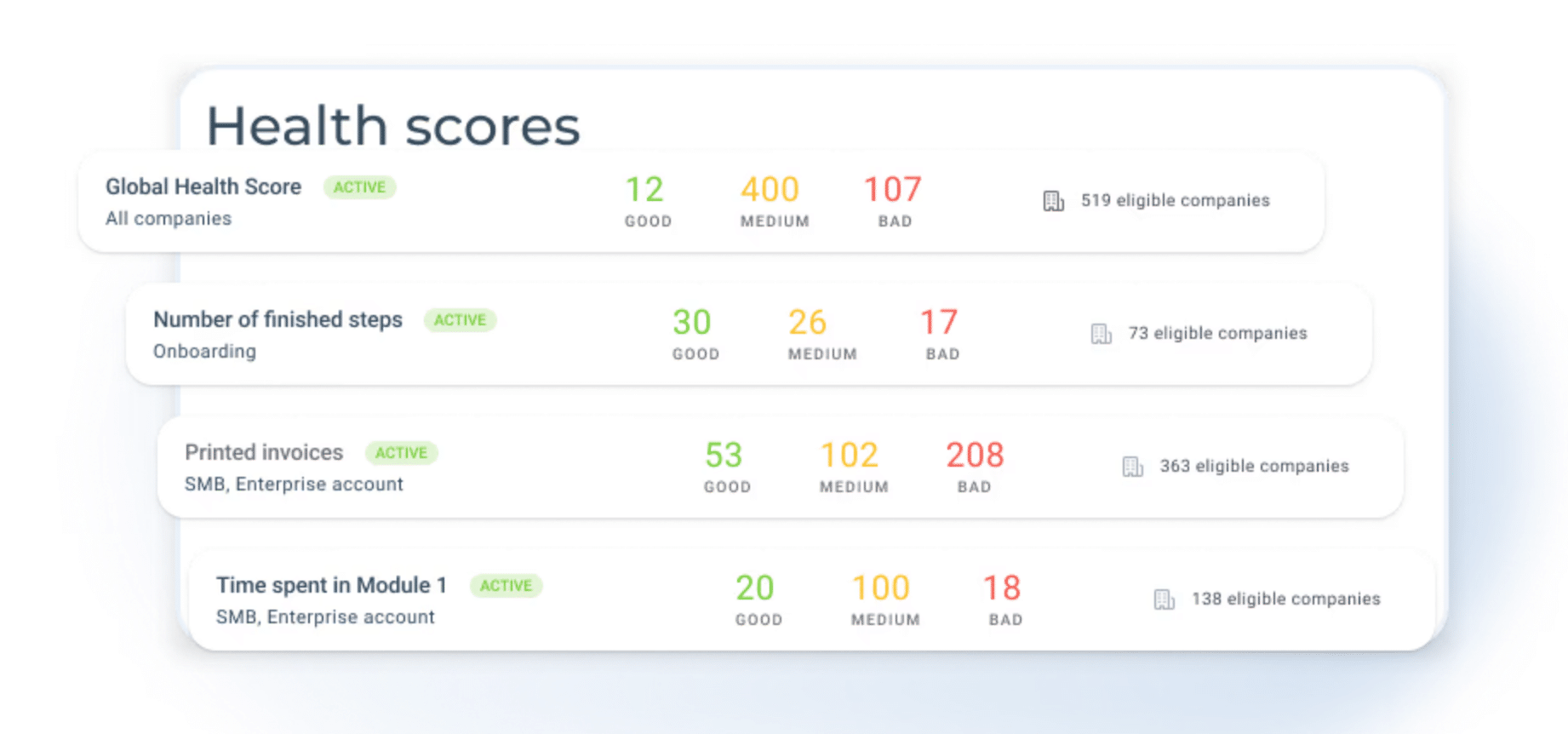
- Dashboards that flag customers whose configurations or usage patterns may need attention.
Technology can support CS teams. However, it doesn’t replace human judgment.
For example, Custify’s Customer Health Dashboard helps teams monitor customer health scores and identify accounts that may need attention. CS managers can use these insights to investigate potential adoption issues and guide customers toward their goals.
Artificial intelligence (AI) and automation can help surface compliance issues and risk patterns. However, teams still need to review alerts and validate findings, then communicate with customers when action is required.
Before choosing a platform, you should review existing CS software options to see what applies to your SaaS niche based on your workflows, integrations, reporting needs, and security requirements.
Useful technology features include:
- Policy mapping: Connect relevant controls and requirements to frameworks, such as NIST SP 800-53, SOC 2, and ISO 27001 where applicable.
- Automated configuration checks: Flag settings that may create risk, such as disabled audit logging.
- Secure communication channels: Share sensitive documents through appropriate protected channels.
- In-app guidance: Tailor instructions to customers’ roles, workflows, and regions.
- Data-loss prevention and anomaly monitoring: Use available signals to help identify risks and inform customer health reviews.
The aim is to combine technology’s monitoring capabilities with the judgment and communication skills of customer success teams.
Keeping up with Regulated SaaS Industries
Regulatory requirements continue to evolve. Privacy laws change, payment rules develop, and AI oversight is expanding in jurisdictions such as the EU. As a result, customer success teams increasingly need to understand how compliance requirements affect product adoption and customer workflows.
Teams that can explain relevant requirements, communicate product changes clearly, and coordinate with legal and security specialists are better positioned to support customers in regulated markets. This expertise can help build trust and strengthen long-term customer relationships.
Are you running a business in a highly regulated SaaS industry like healthcare, fintech, or legal tech? Custify’s AI-powered customer success software can help your team monitor customer health and prioritize engagement. Request a demo to see how Custify can support your customer success workflows.