Building customer relationships in SaaS is the ongoing work of earning a customer’s trust after the sale, so they renew, expand, and recommend you to others. It takes consistency, personalization, and proactive support, and it pays off in lower churn, higher customer retention, and greater customer lifetime value (CLV). This guide explains why customer relationships matter, then walks through seven ways to build and maintain them, from prompt support and lifecycle-based communication to transparency, feedback, and exceeding expectations. Each tip comes with a real-world example and a Custify tip for putting it into practice, and the guide ends with answers on who owns customer relationships and how to measure them.
Why Focus on Customer Relations?
If customer patronage is the lifeblood of your business, building customer relations will go a long way toward keeping it hale and hearty. Understanding your customer base, forging an emotional connection with them, and satisfying their needs will be much easier to do when you take pains to build strong customer relationships.
Key benefits of strong customer relationships for SaaS include:
- Better customer satisfaction: Strong relationships help you anticipate customer needs and proactively deliver solutions. Whether creating personalized customer journeys or deploying customer success platforms like Custify to automate and personalize outreach, you’ll ensure users remain satisfied.
- Improved loyalty: Happy customers tend to be loyal ones, and this customer loyalty can be extremely lucrative. According to an Acquia survey, 59% of Americans who feel a sense of loyalty to a brand stay loyal to it for life. In SaaS, loyalty translates directly into subscription renewals and reduced churn rates.
That said, earning your customers’ loyalty will require going the extra mile to build positive relationships with them. Only then will they reach the point where your brand is the first option that comes to mind when they’re ready to make purchase decisions. - Higher customer retention: Positive relationships prevent churn. For example, research by Frederick Reichheld of Bain & Company found that a 5% increase in customer retention can raise profits by 25% to 95%.
- Increased sales: You can boost sales by cultivating strong relationships with customers. When buyers swear by your business, they can take on the mantle of unofficial brand ambassadors and advocates. Given that 88% of people trust personal recommendations over other marketing mediums, it isn’t difficult to see how positive customer relations could boost the bottom line.
There’s a lot to gain from relating with your current customers. In addition to keeping the ones you have, strong customer relations can bring new ones into the fold, ensuring your business’s long-term success.
7 Ways to Build and Maintain Customer Relationships
When building customer relations, create positive experiences that keep customers returning to your doorstep. Here are seven innovative ways to forge connections with customers:
1. Prioritize Prompt and Proactive Support
Don’t keep your customers waiting. Instead, aim to offer quick responses to their concerns and queries. Offering prompt customer service signals that you value your customers’ time and patronage.
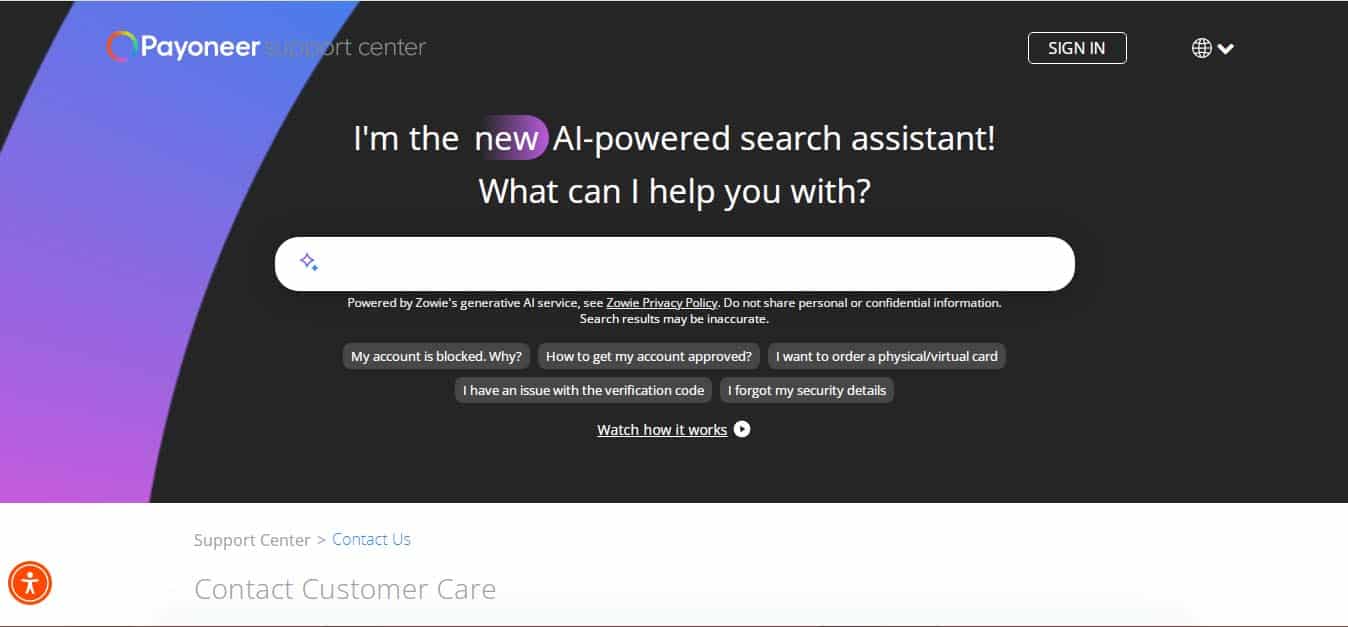
In SaaS, slow responses or unresolved issues directly cause churn. Consider fintech SaaS Payoneer, which added AI agents to its customer support to resolve customer issues faster.
Custify Tip: Leverage Custify’s proactive alerts to detect and address potential churn risks quickly, providing a timely and meaningful response.
Incorporate chatbots, AI virtual assistants, and a customer relationship management tool with omni-channel support to speed up your customer service. See fintech company Payoneer’s AI-powered search assistant as an example:
2. Consistent, Lifecycle-based Communication
Talk to your customers regularly and craft your messaging around the onboarding, adoption, renewal, expansion, and advocacy stages of their customer lifecycle.
Communication channels you can utilize include:
- Social media; and
- Blog posts
Consistent communication will prove helpful in establishing a personal connection while warming them towards your business and showing how invested you are in their success. Teams already running those lifecycle emails can extend the same sequence to phones through an email-to-text gateway, which is useful for the few updates that are genuinely time-critical.
Effective SaaS companies, such as Mailchimp, use consistent lifecycle-based emails to maintain a meaningful relationship with users.

Custify Tip: Utilize Custify’s segmentation features to ensure you deliver personalized, timely communications at every customer lifecycle stage.
3. Personalize Your Communication
According to McKinsey & Co., 71% of customers expect personalized experiences that show the brands they do business with understand them personally. Meet these expectations by sending your customers personalized communications tailored to their needs.
Some effective ways to get personal include:
- Sending targeted promotions based on past actions and purchase history
- Providing relevant content that reflects the stage the customer is on their buyer’s journey
- Celebrating relationship milestones via anniversary emails; and
- Making personalized product recommendations
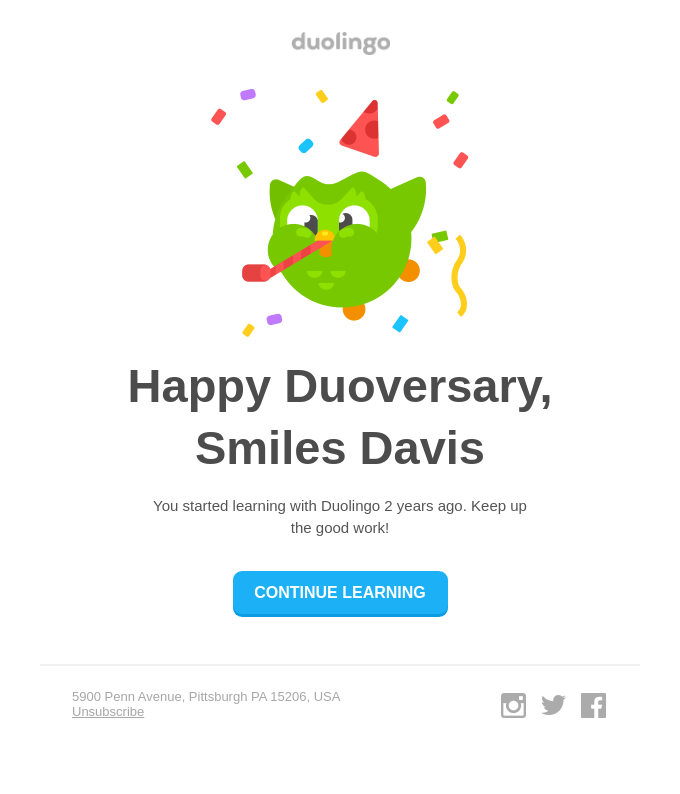
Duolingo uses this tactic in building customer relations on its language learning platform. It sends anniversary emails to users to mark usage milestones, for example:
It’s worth noting that this relationship-building method requires learning about your customers. That entails collecting data about their shopping habits and interactions with your business. Once you have this information, you can build meaningful relationships with them and reap the rewards for years to come.
Custify Tip: Automate personalized communication using Custify’s real-time analytics and engagement tools.
4. Reduce Customer Effort
Customers shouldn’t have to jump through hoops when interacting with your business. Whether searching the web with your domain name, browsing your website for information, or getting help from your customer service department, your business’s customer interactions must be effortless.
That’s why you must generate a domain name that is memorable, deliver a user-friendly website, and ensure your customer support department is responsive.
Ensure all your website elements are laid out in an easy-to-navigate manner. If you can’t code or design, use website-building software with pre-made templates to get you started.
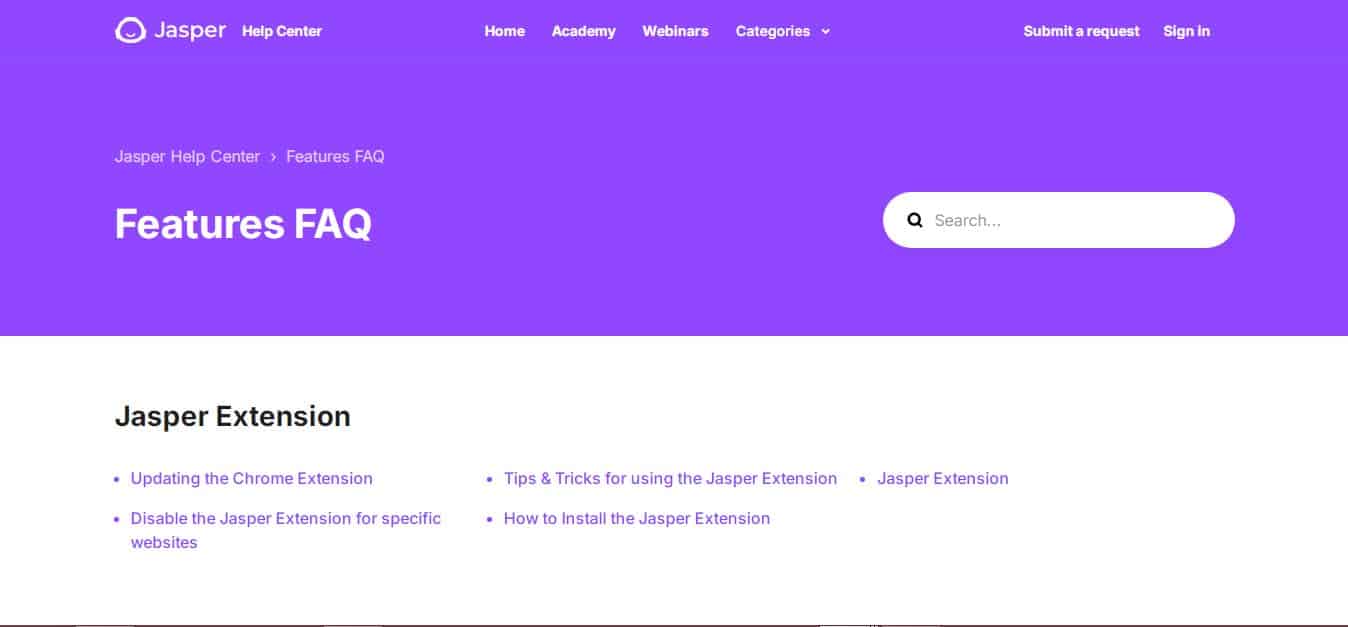
Another customer effort reduction method worth pursuing is to create self-help tools and resources customers can use instead of contacting your customer support team for real-time support. FAQ sections, How-To guides, and educational videos are all examples of assets you can create.
Jasper, a SaaS company that provides an AI-writing assistant, uses this technique. See its FAQ section below for inspiration:
When you make interactions with customers frictionless, it gives them a positive impression and sets the stage for a long-lasting customer relationship.
Custify Tip: Use Custify’s analytics to identify friction points in your customer journey, enabling effortless user experiences.
5. Maintain Transparency
Be transparent in your dealings with customers at all times. 60% of consumers consider it the most important trait a brand should have.
Being an open book can help your brand establish a trustworthy relationship that helps it overcome skepticism and encourages prospective customers to make an initial purchase.
Start with your marketing campaigns.
Ensure that your marketing and sales teams refrain from exaggerating your product offerings’ effectiveness. You’ll find it easier to maintain high levels of customer satisfaction when buyers get exactly what they paid for.
Maintaining transparency during a crisis can also position your brand as having a customer-centric culture.
For instance, Slack’s open, transparent communications during outages have built customer trust and consistently high retention rates.
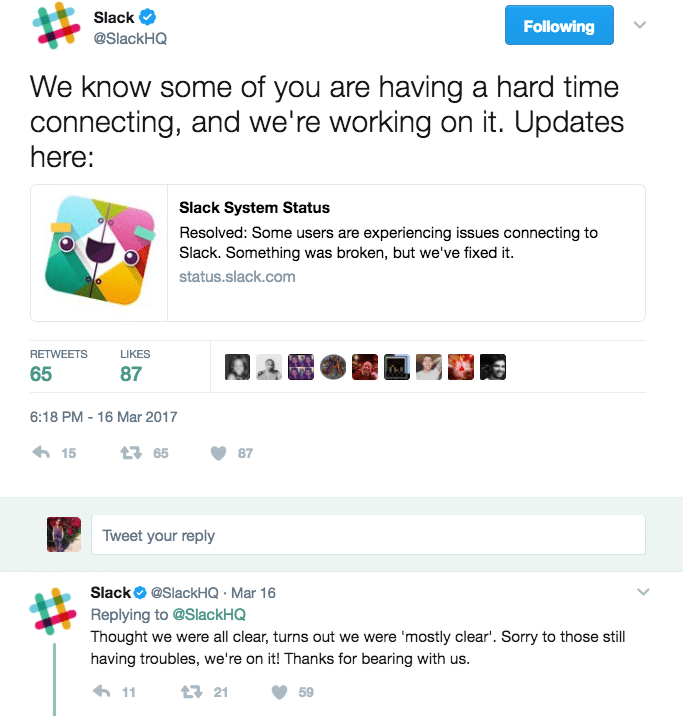
Key Points of their strategy:
- Regular Updates: Slack provided frequent, clear progress updates.
- Timely Communication: Updates delivered promptly every 30 minutes kept users informed.
- Social Media Engagement: Slack used Twitter to personally apologize and show genuine concern.
- User-Centric Approach: Prioritized easing user frustration during the incident.
- Positive Reception: Transparency and responsiveness earned user appreciation and strengthened brand trust.
Furthermore, rather than downplaying a corporate misstep or shifting blame, accepting responsibility and taking steps toward resolving the issue will go further in mending the frayed relationship. See Framebridge’s apology email for an example of how to do apology emails right:
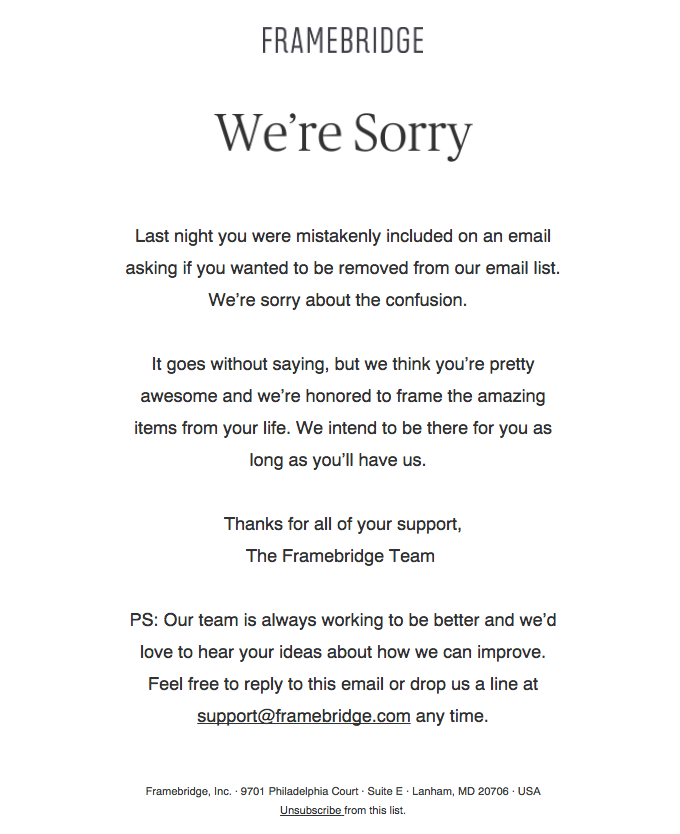
This customer relationship management style will help you rebuild the damaged trust over time and strengthen your customer relations efforts.
Custify Tip: Proactively communicate important updates using Custify, ensuring transparency and maintaining trust even during challenging times.
6. Seek Feedback and Act On It
When building stronger customer relationships, it’s just as important to hear from your customers as it is to speak to them.
Seeking customer feedback can provide valuable insights into your brand’s performance regarding customer expectations. You can learn what you’re doing right, identify your shortcomings, and use this information to create a satisfactory experience that keeps customers coming back for more.
Some tried and tested feedback-collection methods worth exploring include:
- Surveys
- Customer reviews
- Focus groups
- Social listening; and
- Monitoring brand mentions
Miro, a popular SaaS productivity software, continuously collects customer feedback through surveys, directly influencing product updates and user satisfaction.
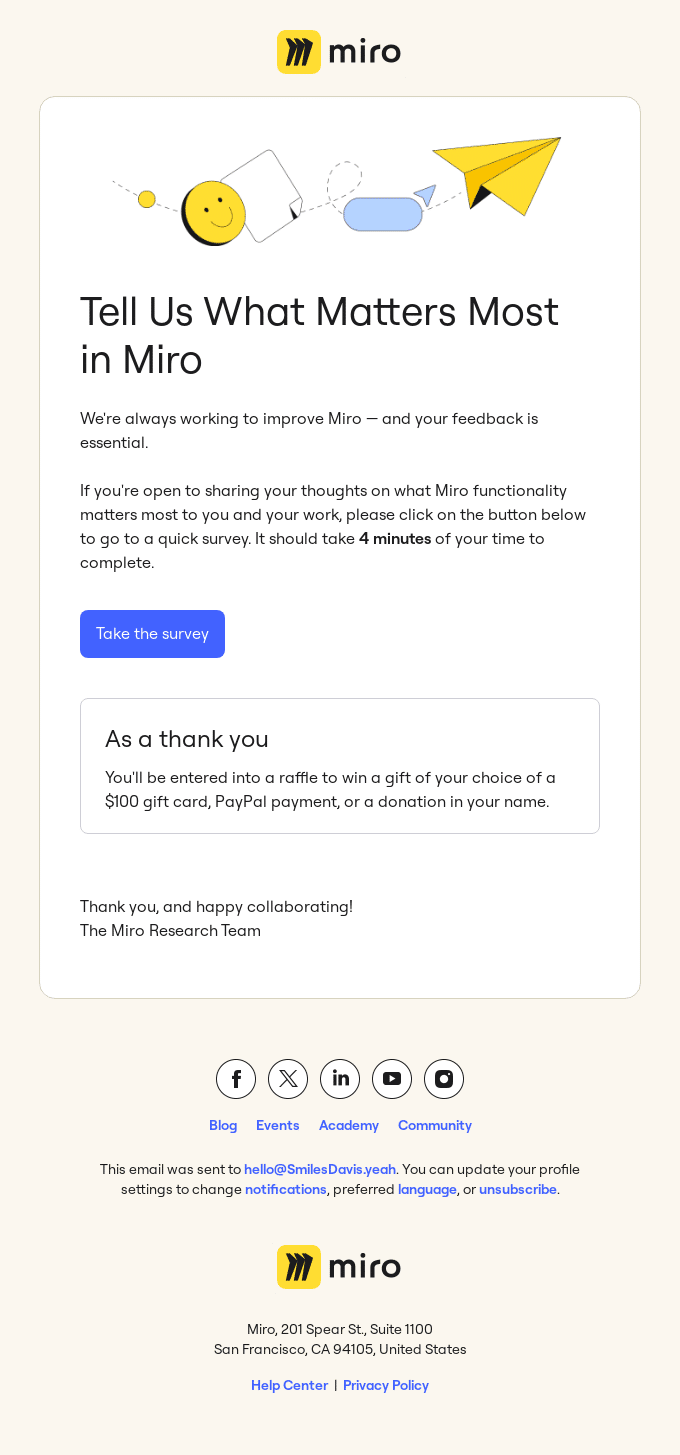
Collecting feedback directly from customers also provides a secondary benefit: it communicates that you value their opinions. When you act on the feedback provided, your customers feel like they have a say in the relationship and view your brand as one that makes customer-centric decisions.
Custify Tip: Automate your feedback collection process with Custify’s built-in survey capabilities to keep your product aligned with customer needs.
7. Aim to Exceed Expectations
Don’t just meet customer expectations; exceed them. If you don’t, your competition might, which could spell trouble for your subscription-based business.
In SaaS, customers often have clearly defined expectations regarding your product’s features, usability, and support responsiveness. To exceed these expectations, you must regularly monitor customer interactions, satisfaction scores, and feedback to identify areas where you can go above and beyond.
Take Calendly, a SaaS scheduling platform, as a great example. They regularly analyze customer data to proactively offer feature upgrades or personalized recommendations tailored to user behaviors. By anticipating customer needs and delivering more than what’s expected, they’ve raised their user activation rate by 16%, according to a Hightouch case study.
Practical ways to exceed expectations in SaaS include:
- Proactively reach out to customers with helpful tips or insights based on their usage data.
- Offer unexpected perks, like early access to new features or exclusive educational resources.
- Personalize communications to acknowledge customer milestones and loyalty, reinforcing their sense of value and importance.
By consistently aiming higher, you establish stronger emotional connections, turning satisfied users into loyal brand advocates who actively recommend your service.
Custify Tip: Predict customer needs using Custify’s health scores and proactively offer solutions or upgrades that exceed their expectations.
Conclusion
Building customer relations is essential for your brand’s long-term success. It can help you improve customer satisfaction and retention, foster brand loyalty, and even lead to increased sales.
Start by offering prompt customer service and consistent support to your customers. Personalize communications and eliminate any friction in the customer experience.
By integrating specialized platforms like Custify into your customer success processes, you’ll forge durable, profitable relationships with customers—transforming subscribers into loyal advocates that help drive sustained business growth.
Frequently Asked Questions
1. Who is responsible for customer relationships in a SaaS company?
In a SaaS company, customer relationships are shared work, but customer success usually owns them after the sale. Customer success managers (CSMs) lead onboarding, regular check-ins, and renewal conversations, support resolves day-to-day issues, and account managers or sales handle expansion deals. Executive sponsors can strengthen ties with key accounts. What matters most is that every team sees the same customer history, so no one starts a conversation from scratch.
2. How do you measure the strength of customer relationships?
You can measure the strength of customer relationships by combining what customers say with what they do. Survey scores such as Net Promoter Score (NPS) and customer satisfaction score (CSAT) show sentiment, while product usage, support ticket trends, renewals, expansion, and referrals show behavior. Many SaaS teams roll these signals into a customer health score for each account. In Custify, health scores update as customer activity changes, and real-time alerts flag accounts whose engagement drops.